Why Choose Free Range Eggs?
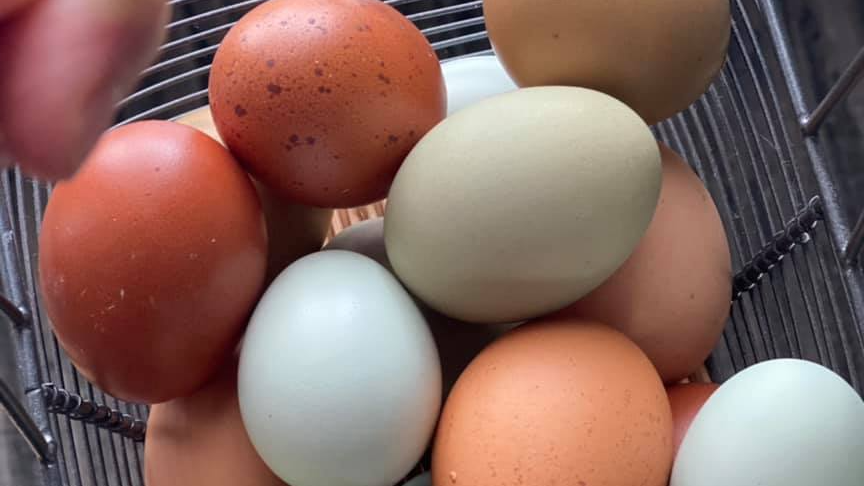
In recent years, there has been a growing awareness and concern about the source of our food, particularly when it comes to animal products. Among these, free-range eggs have gained popularity due to their perceived benefits for both human health and animal welfare. This article aims to delve into the advantages of consuming free-range eggs, exploring their nutritional value and the ethical considerations that make them a more sustainable choice.
Nutritional Superiority
Free-range eggs have garnered attention for their enhanced nutritional profile compared to conventionally produced eggs. One significant difference lies in the composition of fats. Free-range hens are afforded the opportunity to roam and forage outdoors, resulting in a diet that includes natural vegetation, insects, and seeds. This diverse diet contributes to a higher omega-3 fatty acid content in free-range eggs, a component essential for heart health, brain function, and reducing inflammation. These eggs also contain lower levels of unhealthy saturated fats.
Moreover, free-range eggs are often considered to be richer in vitamins and minerals. They contain higher levels of vitamins A, E, and D, as well as important nutrients like choline, selenium, and iodine. Choline, for instance, is crucial for brain development and function, while selenium plays a role in antioxidant defense and immune system support. Choosing free-range eggs can thus provide a more nutrient-dense option for a balanced diet.
Ethical Considerations
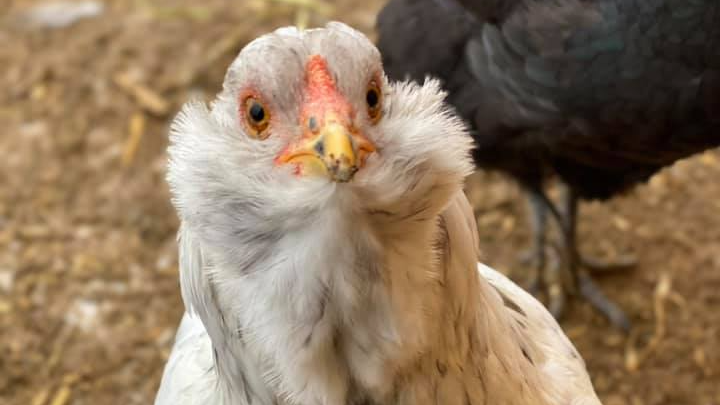
Beyond their nutritional benefits, free-range eggs also address ethical concerns surrounding animal welfare. In contrast to conventional factory farms where hens are confined to small cages, free-range hens are granted the freedom to move about, engage in natural behaviors, and access the outdoors. This improved living environment not only reduces stress and promotes overall well-being for the animals, but it also aligns with a more compassionate approach to farming.
Supporting Sustainable Practices
Opting for free-range eggs can contribute to a more sustainable food system. The practice of raising hens in free-range environments often involves more environmentally friendly methods. Hens are allowed to forage on open pasture, which can help control pests naturally and reduce the need for chemical interventions. Additionally, the integration of rotational grazing systems can improve soil health and fertility, enhancing the overall sustainability of the farming operation.
Local Economies and Community Connection
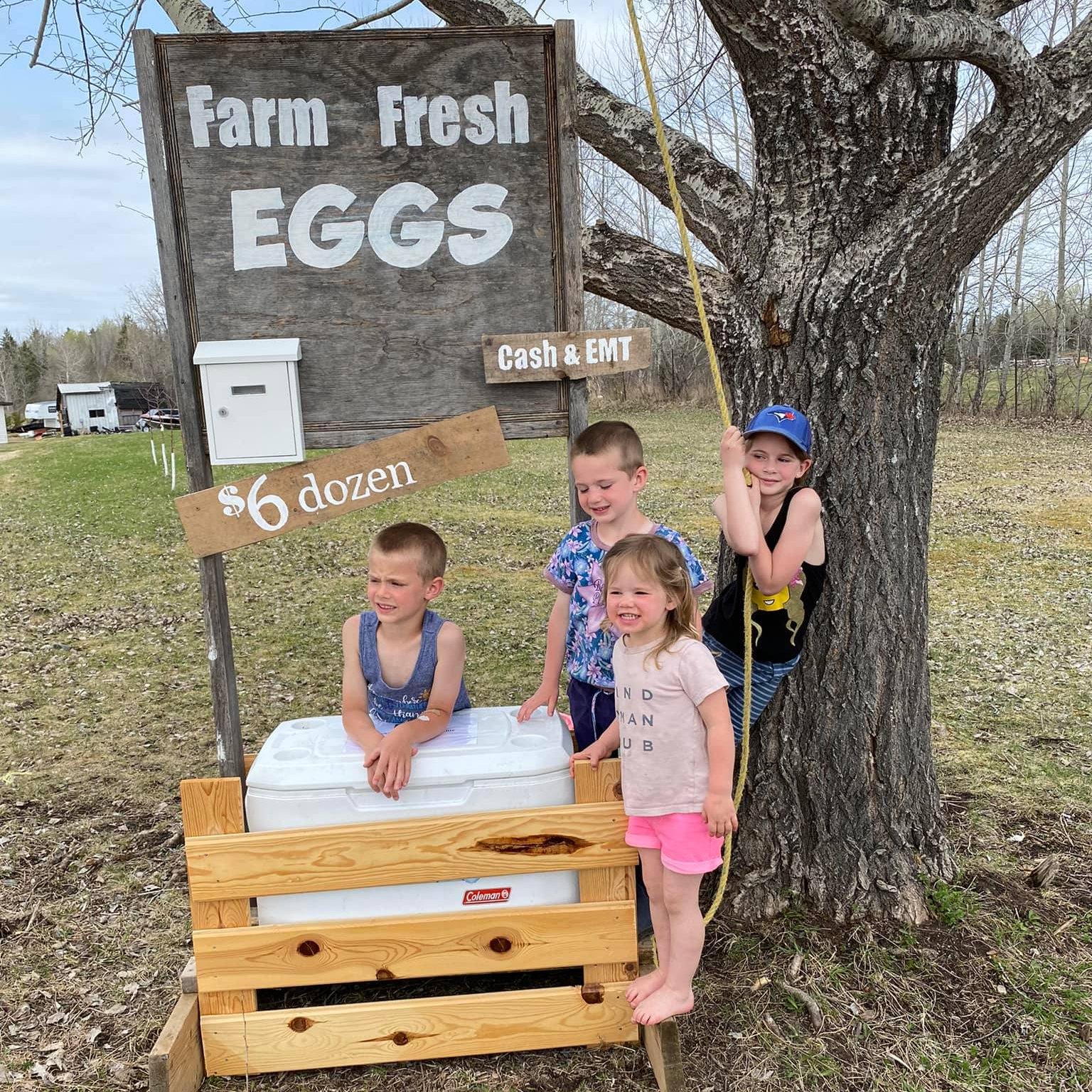
Choosing free-range eggs can also have positive effects on local economies and community engagement. Many free-range egg producers are smaller, family-run farms that prioritize quality over quantity. By supporting these local businesses, consumers can help maintain vibrant rural communities and foster a closer connection between producers and consumers. This direct relationship allows consumers to learn more about the origin of their food, leading to greater transparency and accountability in the food supply chain.
Bottom Line
In the quest for healthier and more sustainable food choices, free-range eggs stand out as a compelling option. With their enhanced nutritional content, ethical treatment of animals, and contributions to sustainable farming practices, free-range eggs offer a variety of benefits to both individuals and the broader food system. By making conscious decisions about the foods we consume, we can contribute to a more wholesome and ethical approach to nourishment while also supporting the well-being of animals and the environment.
If you'd like to learn more about small-scale family farming on a budget, and receive practical advice to make your farming experience easier, subscribe to the One End is Oink mailing list for regular tips delivered directly to your inbox.